WinspertWinspertWinspert
  • Home
  • Courses
    • ADC Part 1 Written Exam Course
    • ADC OSCE Communication Course
  • Blogs
  • Free Consultation Call
  • Contact
Download
Download

WINSPERT SPOTLIGHT WHAT'S TRENDING??

Stay ahead with WINSPERT’s latest news, industry trends, and expert blogs…!!!

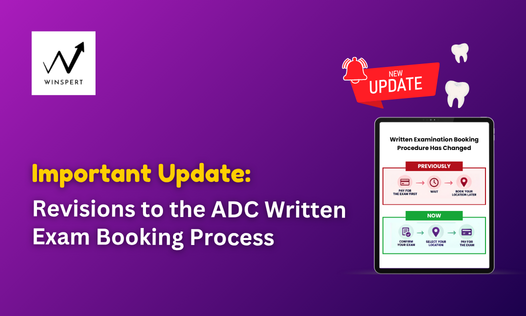
ADC Written Examination Changes in Handbook (September 2025)
  • March 12, 2026
  • Blog

ADC Written Examination | Changes in Handbook

Read more
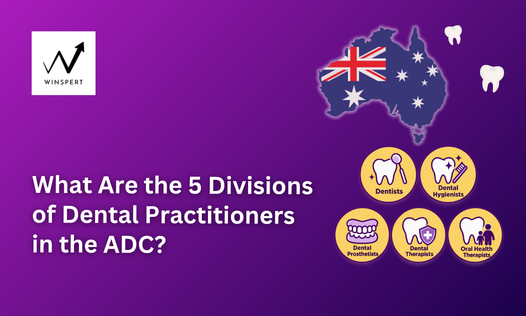
If you’re planning to practise dentistry in Australia, one thing becomes clear very quickly, the system is precise, and it expects you to be competent enough. That's where the Australian Dental Council (ADC) comes in. The ADC’s job is to decide whether someone trained outside Australia can work here safely. To do that, it looks at two things very closely: which category of dental practitioner you belong to, and whether your skills match Australian expectations. Many candidates struggle not because they lack ability, but because they don’t understand how these two pieces fit together. What the ADC Really Assesses To make this measurable, the ADC uses a national competency document. The current version, updated in July 2023, sets out what a newly qualified dentist in Australia is expected to do safely, independently, and ethically. Every part of the ADC assessment written and practical is built around that document. The Skills the ADC Expects You to Demonstrate Rather than testing isolated facts, the ADC looks at how you perform across several broad areas of practice. These areas are sometimes called “domains,” but in simple terms, they describe how you behave and think as a clinician. You are expected to act professionally, follow the law, respect patient autonomy, and practise ethically. Communication matters just as much as technical skill, not only how you speak to patients, but how you work with colleagues and manage difficult conversations. Clinical judgement is another major focus. Examiners want to see that you can assess information, recognise risk, and make sensible decisions based on evidence rather than habit. Preventive care also carries real weight in Australia. Dentists are expected to help patients avoid disease, not just fix problems when they become severe. Most importantly, everything comes together in patient-centred care. History taking, diagnosis, treatment planning, infection control, technical execution, and follow-up are assessed as one continuous process, not as separate tasks. How This Plays Out in the ADC Exam The written examination uses patient scenarios. You’re given a situation, some background, and clinical findings. Your job is to decide what to do next and why. There are rarely perfect answers the ADC is looking for safe, logical reasoning that aligns with Australian practice. The practical examination is about consistency and safety. You work on manikins or simulated patients while examiners observe how you prepare, how you handle instruments, how you manage infection control and how you sequence procedures. Small mistakes that indicate unsafe practice matter more than minor technical imperfections. Passing requires competence across all areas not excellence in just one What Happens After You Pass? Once you successfully complete the ADC assessment you can apply for registration with AHPRA under the Dental Board of Australia. Registration allows you to work legally as a dental practitioner. Australia continues to need dentists, particularly outside major cities. Many internationally trained dentists find strong career opportunities in regional areas, along with a balanced lifestyle and stable income. Ongoing practice comes with responsibility. All registered dentists must complete Continuing Professional Development (CPD) every year to maintain their skills and registration. Final Words Understanding ADC divisions and competencies gives you clarity, but clarity alone doesn’t pass the exam. You still need to practise applying those expectations under exam conditions. Winspert’s ADC preparation programs are built around the actual competency standards used by the ADC, not generic exam tips. Their coaching focuses on how Australian dentists assess risk, communicate with patients, and make clinical decisions — the same qualities examiners look for.For candidates who want to enter Australian dentistry with confidence, not guesswork, that alignment makes a real difference.
  • March 7, 2026
  • Blog

Divisions of dental practitioners and their competencies as per ADC Council in Australia what it means for candidates?

Read more
Oral and Dental Guidelines Update September 2025 and Impact on the ADC Australia Exam
  • February 27, 2026
  • Blog

Oral and Dental Guidelines Update September 2025 and Impact on the ADC Australia Exam

Read more
Why ADC Australia Regularly Updates the Curriculum and Changes the Exam
  • February 23, 2026
  • Blog

Why ADC Australia Regularly Updates the Curriculum and Changes the Exam

Read more
Load more
winspert logo

Transform your career with the right mentor by your side – take the first step today!

Instagram Facebook Whatsapp Flaticonv5-email Youtube

Discover

  • About Us
  • Testimonials
  • Courses
  • Free Consultation

Facebook Pages

ADC Part 1
ADC Support Group
ADC Part 2 OSCE

More

  • Privacy Policy
  • Terms of Use
  • FAQs

2024 © All rights reserved by Winspert.com

2026

WhatsApp to Winspert